10% off F-ONE and Eleveight gear from CHF 300 with the code Elevatesurf10


Starting kitesurf: the complete beginner's guide
Kitesurfing is captivating with its jumps and glide, but it requires structured learning. This beginner's guide explains, step by step, how to get started safely — with a focus on riding in Switzerland, on Lake Neuchâtel and the waters of French-speaking Switzerland.
Who is kitesurfing for?
Good news: kitesurfing is accessible to most people, with no exceptional fitness required. Technique matters more than strength. However, it's a high-risk sport that can't be improvised: training with a school is essential before riding on your own. Expect 3 to 6 days of lessons to learn the basics.
Let's be honest about Switzerland: our lakes aren't the easiest terrain to start on. Before you can ride comfortably, it takes patience — but the reward is huge.
What gear do you need?
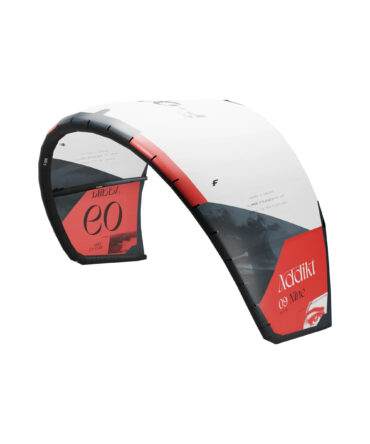
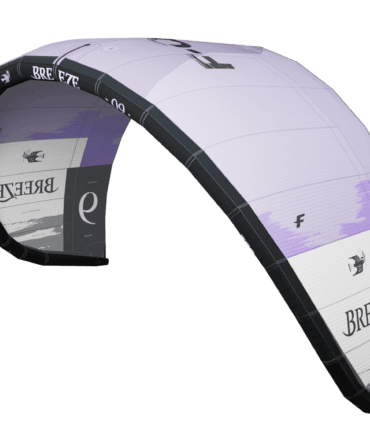
- The kite: To start, a versatile, stable kite like the F-One BANDIT is ideal — see our kites.
- The bar and lines: they steer the kite and handle safety (release) — see our bars and lines.
- The board: a twin-tip (bidirectional) like the F-One TRAX is perfect for learning — see our kitesurf boards.
- The harness: it transfers the kite's pull to your body — see our harnesses.
The learning steps
1. Master the kite on land
First learn the wind window and how to steer the kite on land, before going into the water.
2. Body drag
Let the kite pull you through the water without a board — the key exercise to control your kite in the water and recover your board.
3. The water start
The big milestone: getting up on the board and gliding away. Patience and repetition are the watchwords.
4. Riding both ways
Before even thinking about going upwind, learn to start and glide in both directions (both tacks), right and left. Being comfortable on both sides is essential for controlling your trajectory and safety.
5. Going upwind
The final step to independence: returning to your starting point rather than drifting downwind.
Kitesurfing in Switzerland
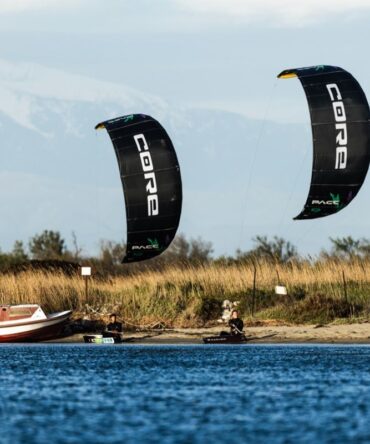
Lake Neuchâtel offers nice thermal windows, especially on summer afternoons. But here, the wind — the forecasts, and above all what it's actually doing on the spot — is THE number one topic among riders, even before saying hello! Don't worry, it's normal: Swiss wind is irregular and gusty, and everyone watches the gusts.
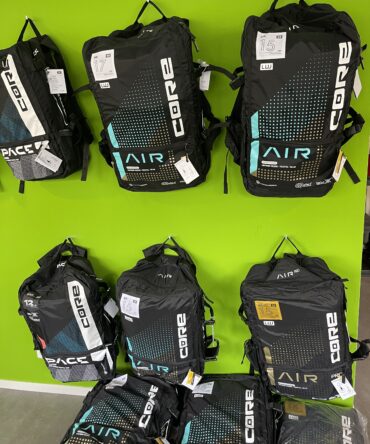
On our lakes, it's better to own several kite sizes and think big: in Switzerland we often use sizes over 10 m², where abroad (sea, strong steady wind) we'd go smaller. Having 2 to 3 sizes gets you on the water far more often — browse our kites to build your quiver.
Safety first
Never ride alone at the start, check the weather, master your bar's safety systems and wear an impact vest and a helmet. Our Kitesurf Equipment Pack combines wetsuit, harness and vest for a protected start.
A question about gear or conditions? Contact us — pickup available in Neuchâtel.