10% off F-ONE and Eleveight gear from CHF 300 with the code Elevatesurf10


Which F-ONE kite? BANDIT, TRIGGER, BANGER, BREEZE, ADDIKT
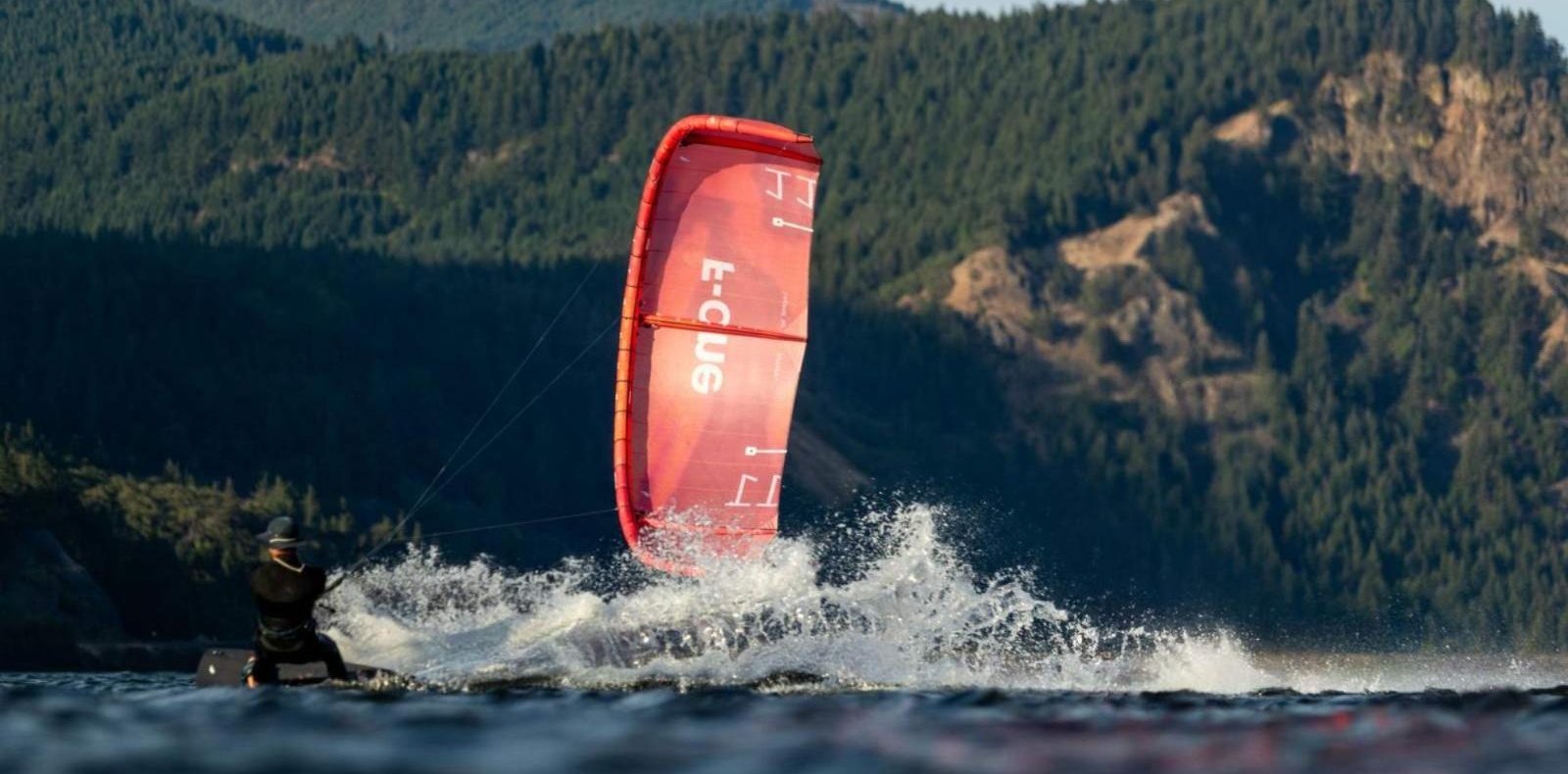
F-ONE's kite range has five kites, each designed for one discipline. Choosing the right one starts with knowing what you want from your sessions: progress and try everything, jump as high as possible, ride in very light wind or surf strapless. Here is how they line up, with F-ONE's official ratings and the brand's videos.
- 5 kitesBANDIT, TRIGGER, BANGER, BREEZE, ADDIKT
- 3.5 to 17 m²from a small wave kite to a big light-wind kite
- 8 to 45+ knotsofficial wind ranges combined
- ATOM barone bar for the whole range
The five F-ONE kites
The bars show the ratings F-ONE gives each kite (out of 100%). They compare the kites in the range with each other.
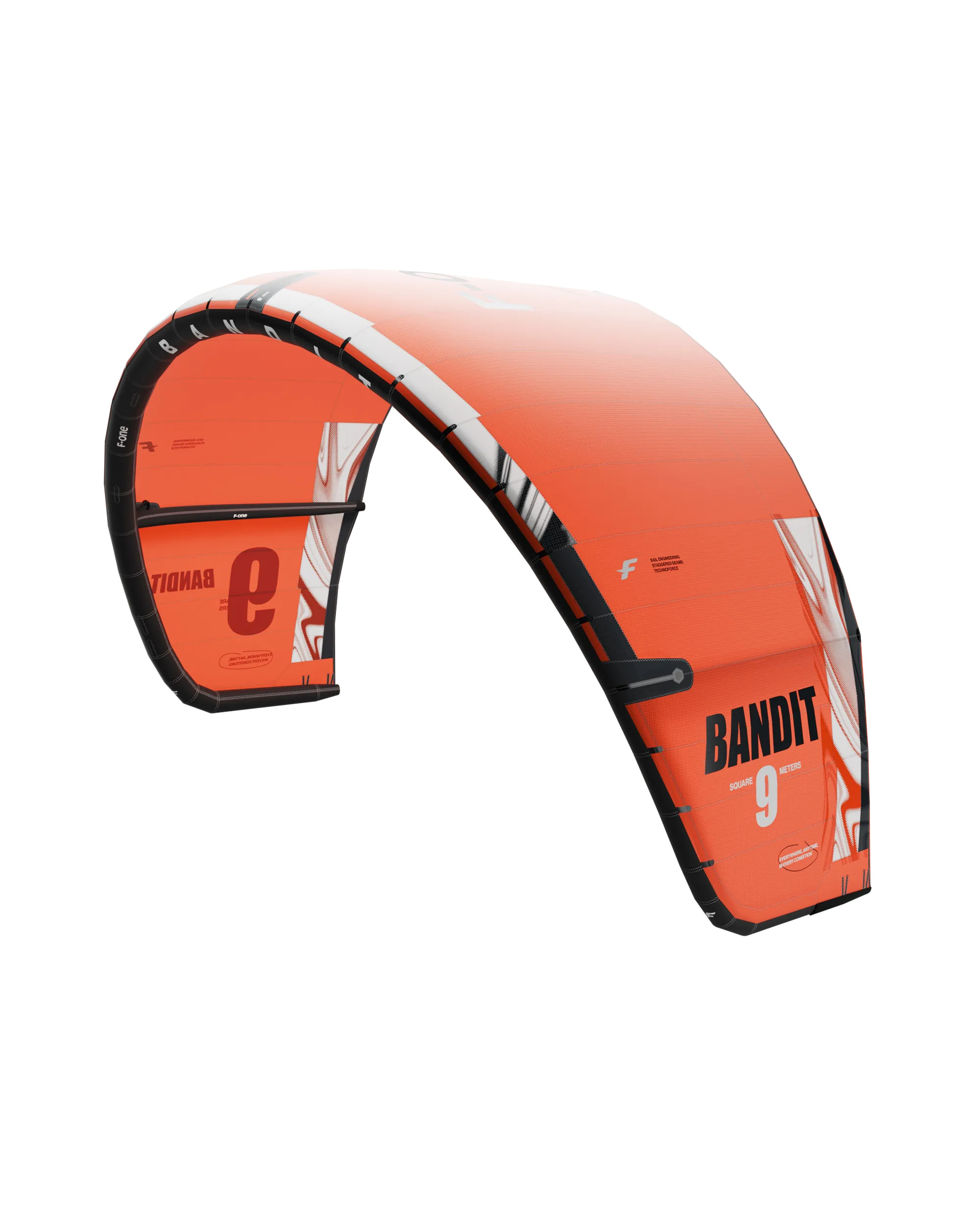
Freeride
BANDIT 18
The all-rounder of the range, from a first kite to committed freeride. Generation 18 gains control and comfort in strong wind, with a stronger leading edge.
- Gets planing straight away
- From twintip to strapless, first kiteloops
- Relaunch and sheet-and-go rated 100%
Sizes 6 – 14 m² · wind 8 – 35+ knots
Upwind80 %
Turning80 %
Relaunch100 %
Drift80 %
Depowered handling80 %
Unhooked pop70 %
Sheet and go100 %
Hangtime70 %
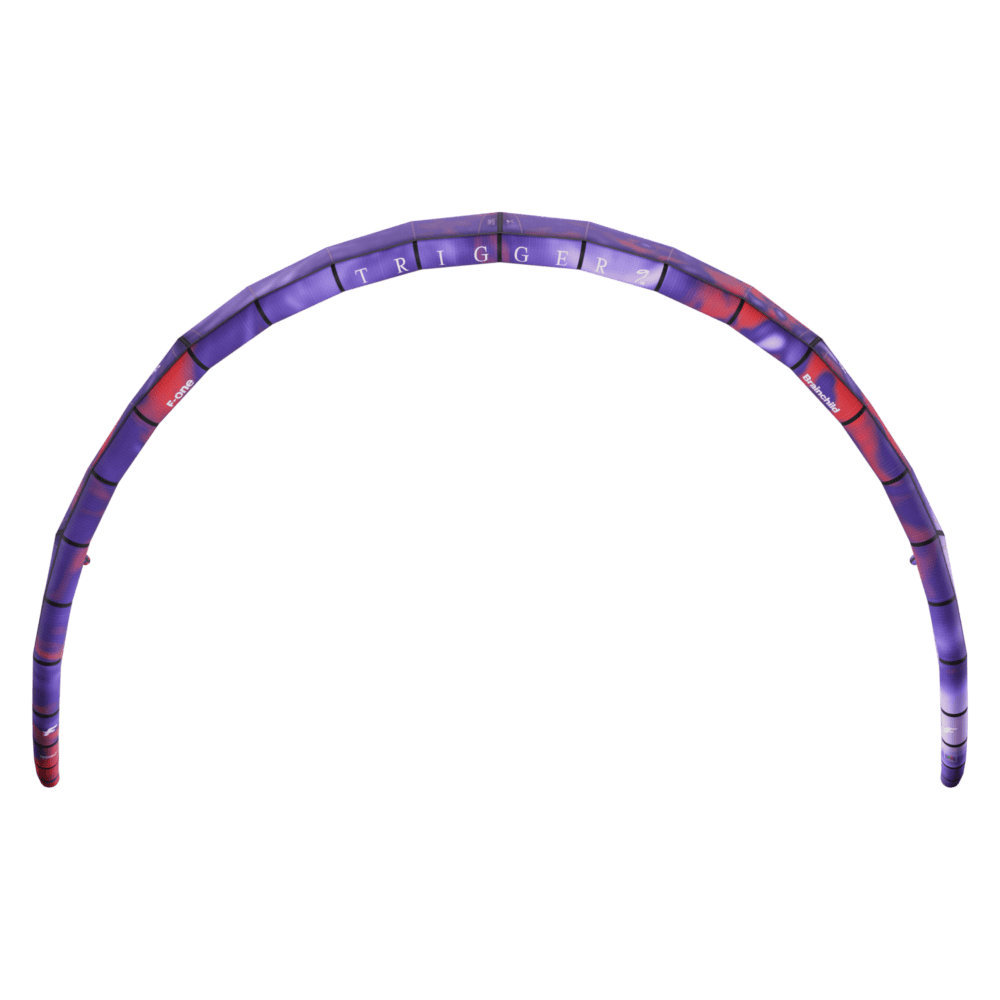
Big Air
TRIGGER BRAINCHILD
Designed by Ralf Grösel and developed in the Brainchild factory. A new, softer canopy fabric extends hangtime, improves the second lift and softens landings.
- 5 struts, high aspect ratio: quick waterstarts
- Lighter bar pressure
- 7-point bridle attachment for higher jumps
Sizes 5 – 12 m² · wind 12 – 36+ knots
Upwind100 %
Turning90 %
Relaunch80 %
Drift60 %
Depowered handling70 %
Unhooked pop50 %
Sheet and go70 %
Hangtime100 %
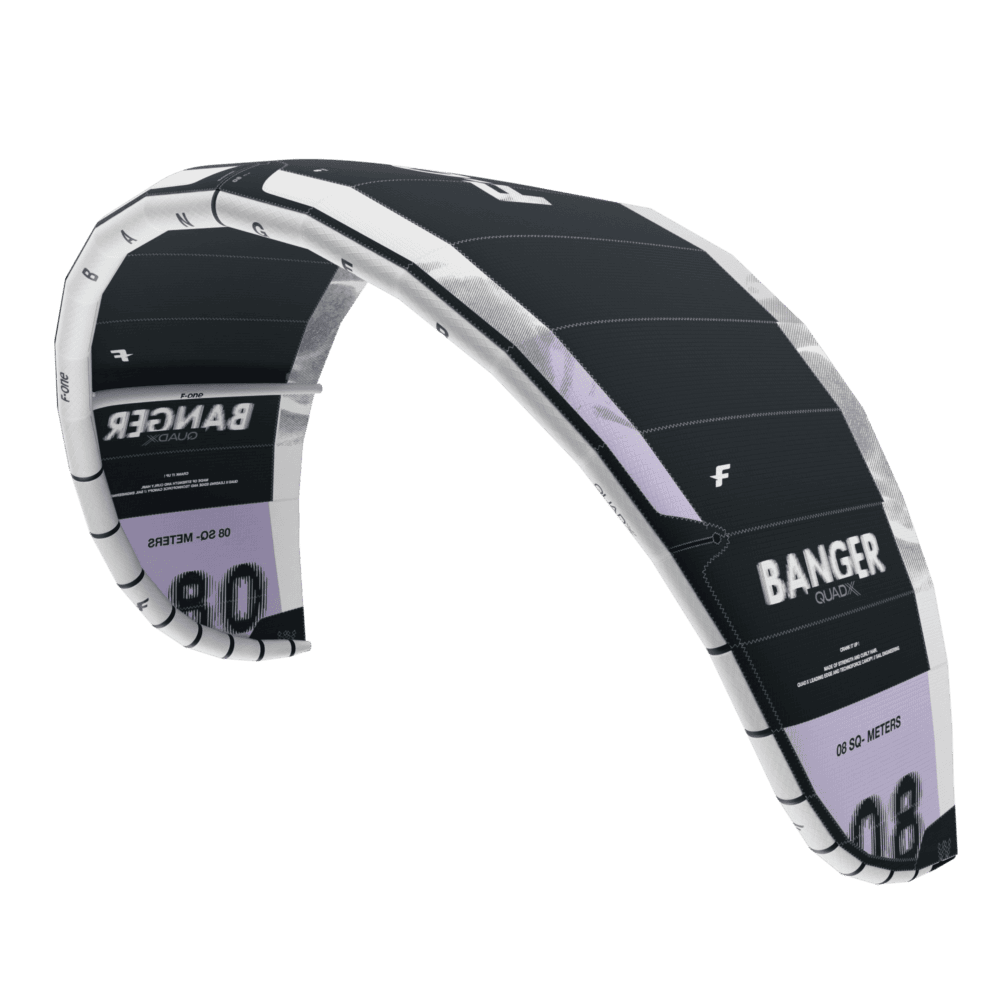
Big Air / All-round
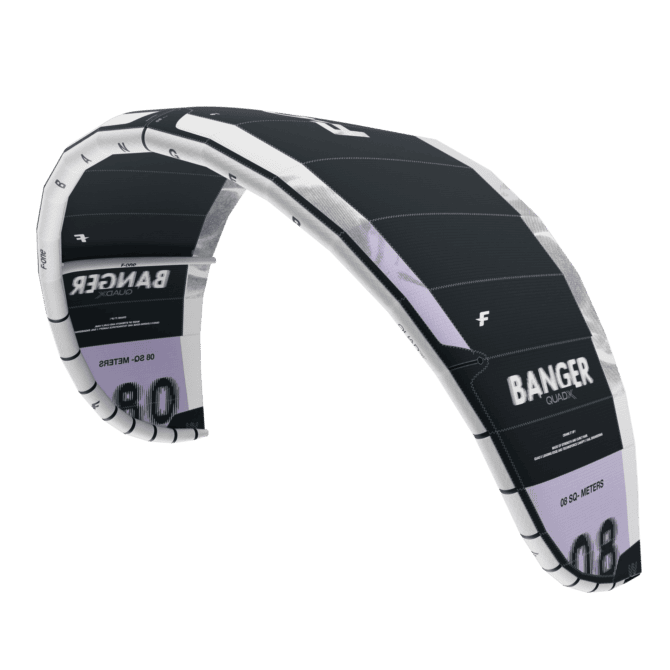
BANGER QUADX
Developed with Charles Brodel, six-time kitefoil world champion. Very versatile yet formidable in big air, with a very stiff and light QuadX leading edge.
- Repositions itself at the edge of the window in gusts
- Fixed six-point bridle, direct bar feedback
- Consistent bar feel for kiteloops
Sizes 5 – 12 m² · wind 12 – 45+ knots
Upwind100 %
Turning100 %
Relaunch80 %
Drift70 %
Depowered handling90 %
Unhooked pop60 %
Sheet and go80 %
Hangtime90 %
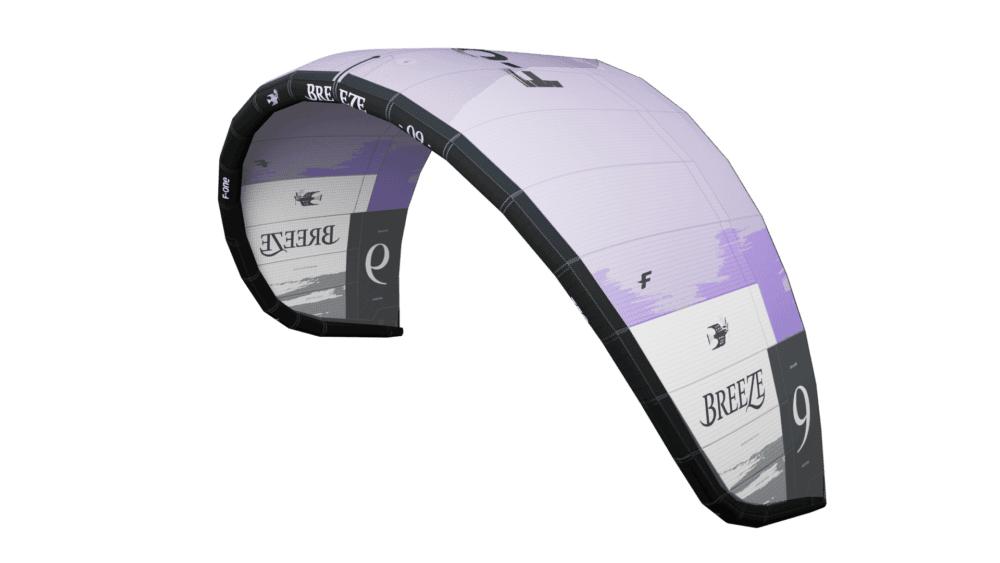
Light wind
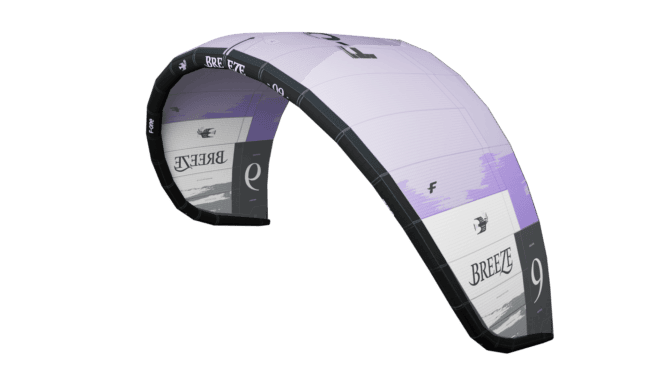
BREEZE TEC
A single strut and a DLE 140 structure: light, manoeuvrable and very stable in light wind. It suits schools as well as kitefoil and freeride.
- Easy planing in the low end
- Rounded wingtips: easy relaunch, even in reverse
- Up to 17 m² for light-wind days
Sizes 5 – 17 m² · wind 8 – 38 knots
Upwind70 %
Turning70 %
Relaunch100 %
Drift100 %
Depowered handling100 %
Unhooked pop50 %
Sheet and go90 %
Hangtime50 %
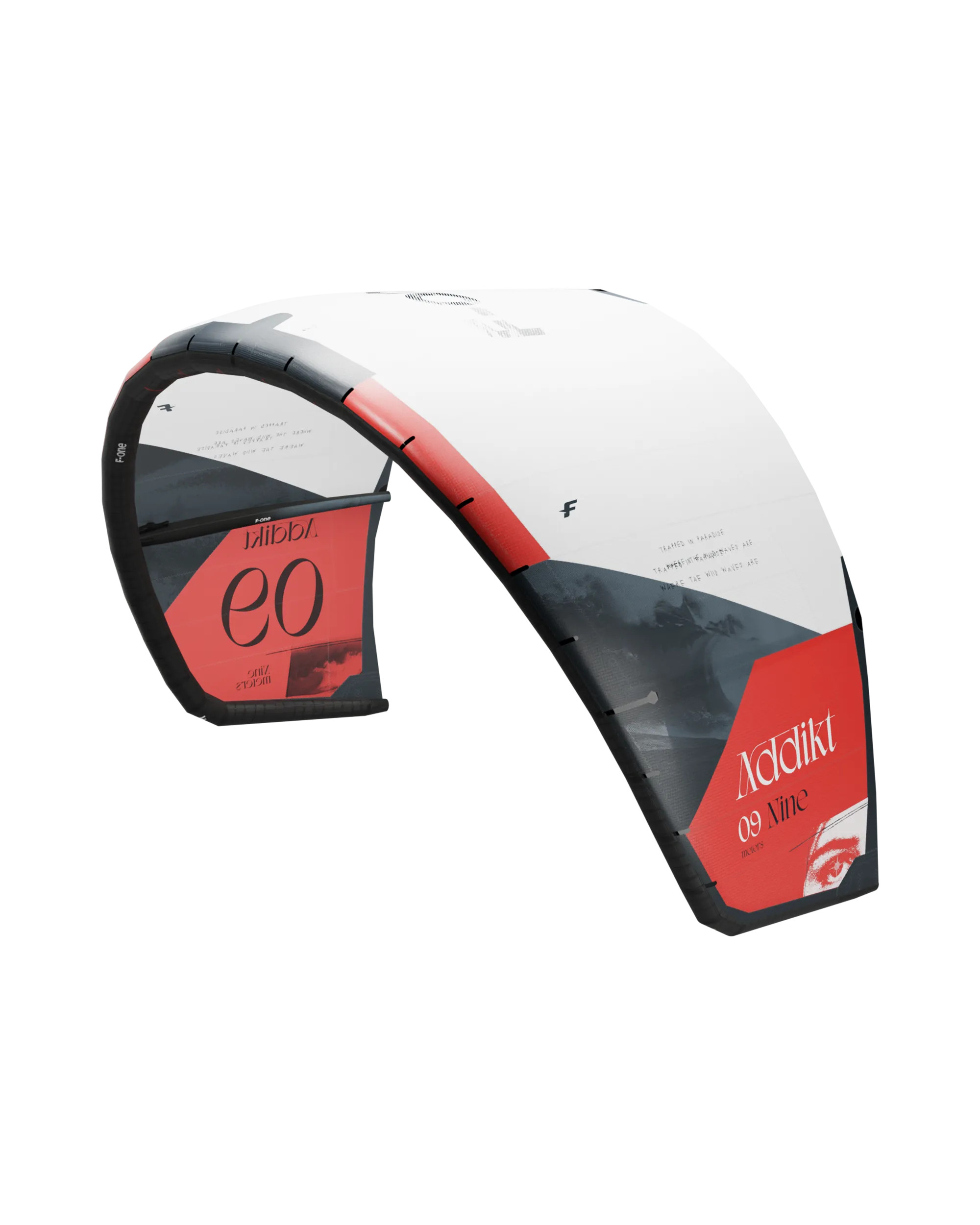
Surf / Strapless
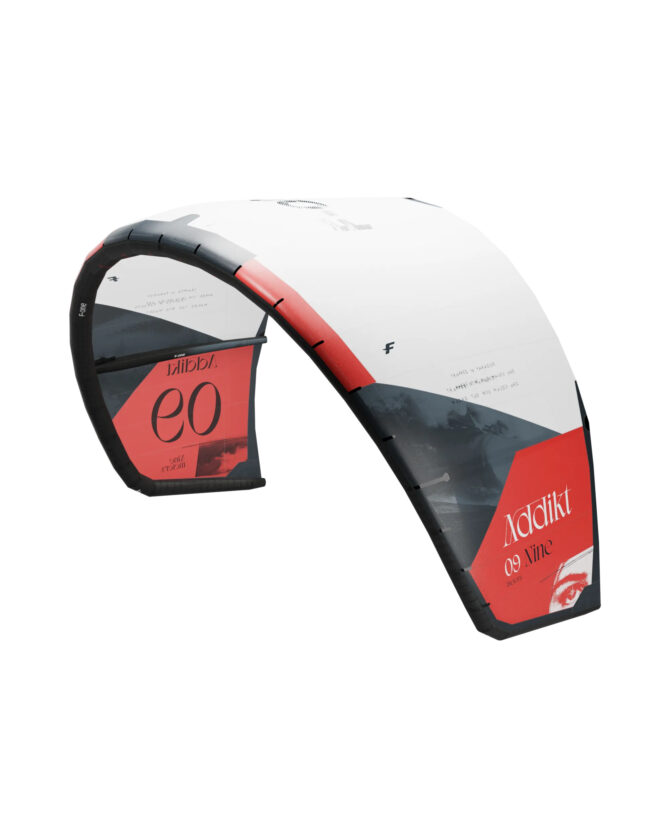
ADDIKT
The kite for waves and strapless freestyle. Neutral and precise in the waves, with outstanding drift, it is now more comfortable and forgiving, even when overpowered.
- DLE 140 leading edge
- Instant depower, stable when sheeted out
- Drift rated 100% by F-ONE
Sizes 3.5 – 12 m² · wind 9 – 40+ knots
Upwind80 %
Turning100 %
Relaunch90 %
Drift100 %
Depowered handling100 %
Unhooked pop80 %
Sheet and go100 %
Hangtime60 %
The kites on video
Videos: F-ONE.
Sizes and wind ranges
| Kite | Programme | Sizes | Wind (knots) |
|---|---|---|---|
| BANDIT 18 | Freeride | 6 – 14 m² | 8 – 35+ |
| TRIGGER BRAINCHILD | Big Air | 5 – 12 m² | 12 – 36+ |
| BANGER QUADX | Big Air / All-round | 5 – 12 m² | 12 – 45+ |
| BREEZE TEC | Light wind | 5 – 17 m² | 8 – 38 |
| ADDIKT | Surf / Strapless | 3.5 – 12 m² | 9 – 40+ |
Which one to choose?
- Your first kite, or one kite for everything: the BANDIT 18. Read more in our article what is new on the BANDIT 18.
- You want to jump high and hang long: the TRIGGER BRAINCHILD, the big-air specialist.
- Big air, but also freeride and kiteloops: the more versatile BANGER QUADX.
- Your lakes often have little wind, or you kitefoil: the BREEZE TEC.
- Waves and strapless surfing: the ADDIKT.
TRIGGER or BANGER: which kite for big air?
Both are built to jump, but in different ways. The TRIGGER BRAINCHILD is the specialist: high aspect ratio, five struts and a softer canopy fabric that extends hangtime and softens landings. F-ONE rates it 100% for upwind and hangtime. It is for riders who want to work on height and time in the air.
The BANGER QUADX, developed with Charles Brodel, is more versatile: it jumps big but turns fast (100% for turning) and keeps a consistent bar feel that inspires confidence in kiteloops. Its QuadX leading edge stays stiff in the gusts. In short: the TRIGGER if hangtime is your priority, the BANGER if you want to mix big air, freeride and kiteloops.
One kite or two: building your quiver
With a single kite, the BANDIT is the natural choice in the range: it covers freeride, strapless and first jumps, and relaunches easily. With two kites, the aim is to cover different winds without the ranges overlapping too much. A classic pair on our lakes: a mid-size BANDIT for bise days and a bigger BREEZE TEC for light wind, which also works for kitefoiling.
Jump lovers swap the BANDIT for a TRIGGER or a BANGER. For waves and strapless, the ADDIKT complements a freeride kite well. There is no universal combination: your weight, your board and the prevailing winds on your lake should guide the choice.
Which size?
Size matters as much as the model. In the same wind, a light rider uses a smaller kite than a heavier one, and the board changes things too: a twintip needs more wind than a surfboard, and a foil even less. The wind ranges in the table are a starting point provided by F-ONE, not a guarantee: read them with your weight and gear in mind.
On a lake, think about the variations: a 15-knot average can hide lulls at 10 and gusts at 22. A size you can control in the gusts beats a kite that is too big. Give us your weight, board, level and spot, and we will suggest the right size.
On Swiss lakes
The bise on Lake Neuchâtel and Lake Geneva, thermals, the Maloja wind at Silvaplana: our conditions are often irregular. A stable kite that relaunches easily matters more than peak performance. Many riders pair a BANDIT for bise days with a BREEZE, on a twintip or a kitefoil, for light wind.
The bar
All these kites fly with the ATOM bar: tool-free length adjustment from 45 to 52 cm, ISO-certified Click-In Safety System, standard or SK99 lines.
Which size for you?
The right size depends on your weight, your board and the wind at your spot. Write to us and we will advise you before you buy. Delivery across Switzerland or pick-up in Neuchâtel.
See the whole range on our F-ONE kites page.