10% off F-ONE and Eleveight gear from CHF 300 with the code Elevatesurf10



Foils for Swiss Lakes: Wing, Kite and Downwind Foils Explained
On the often light-wind Swiss lakes, the right foil makes the difference between bobbing and flying. This overview explains the foil types, their components and how to find the right setup for wing, kite or downwind.
The anatomy of a foil
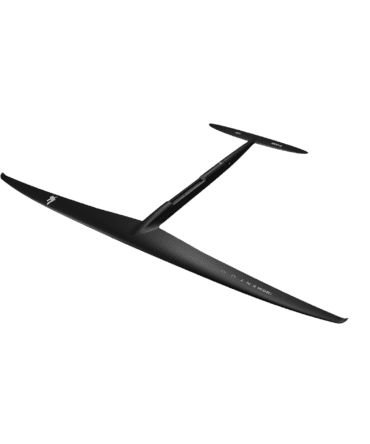
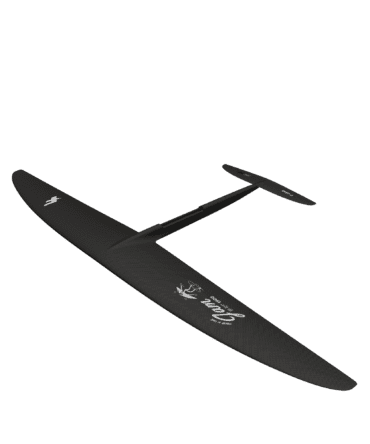
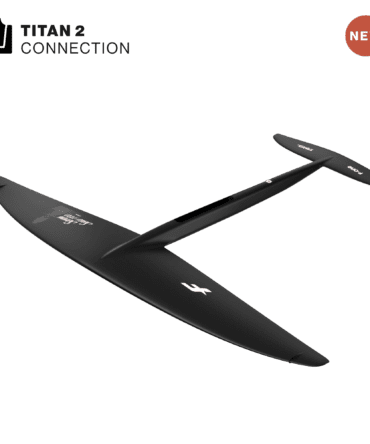
A foil consists of four parts: mast, fuselage, front wing and stabiliser. The front wing generates lift, the stabiliser provides smoothness, the fuselage links the two and the mast transfers the force to the board.
Wing foil, kite foil, downwind foil
Wing foils usually have larger, high-lift front wings for early take-off. Kite foils are often slimmer and faster. Downwind foils are especially efficient for surfing waves and bumps without a power source. Many brands rely on modular systems that let you freely combine wings and masts.
Why large front wings on lakes?
Little wind means little speed – and a large front wing (approx. 1,500–2,200 cm²) lifts you out of the water early. That is exactly what you need on Lake Zurich, the Greifensee or Lake Neuchâtel on light-wind days.
Aluminium or carbon?
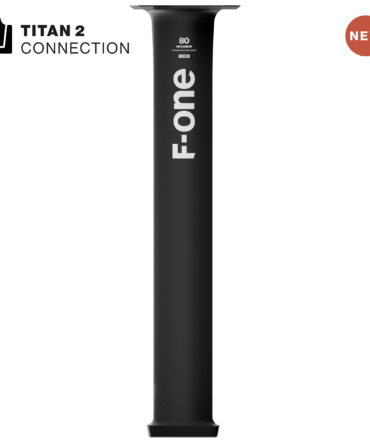
Aluminium masts are robust and affordable – ideal for starting out. Carbon masts are stiffer, lighter and more responsive, which advanced riders and performance foilers appreciate.
The right size
The heavier the rider and the lighter the wind, the larger the front wing. As your skill and speed grow, you switch to smaller, faster profiles. When in doubt, our advice points you the right way.
Foils and masts at Elevatesurf
At Elevatesurf you will find a wide choice of foils, masts and wings from F-One, Slingshot and Eleveight, with free shipping in Switzerland. Discover foils and masts.